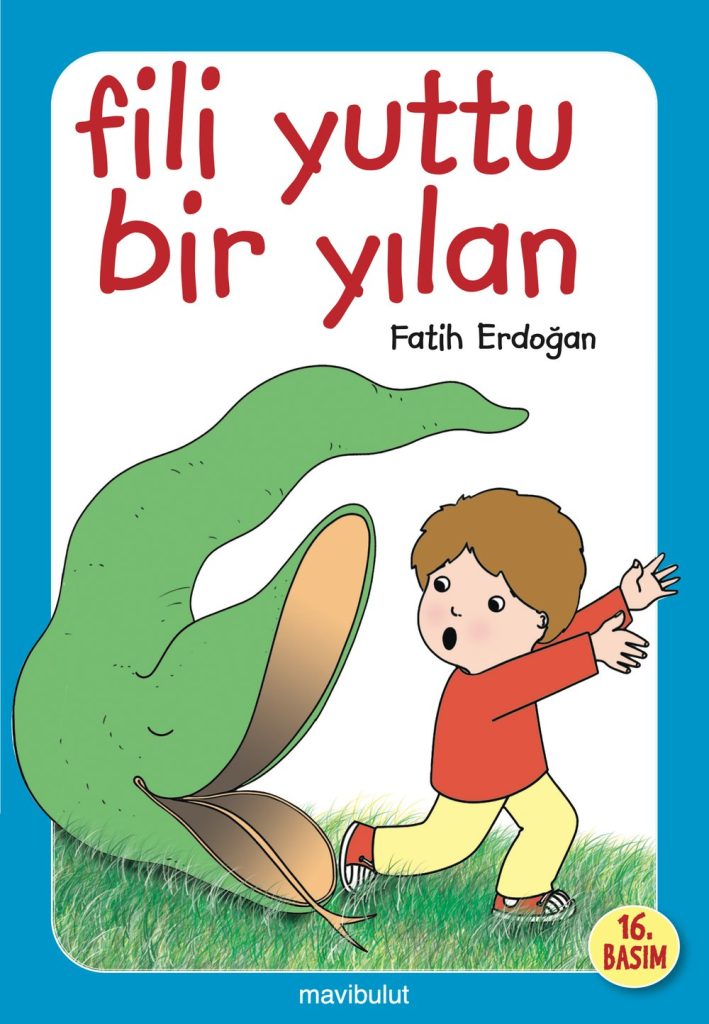
“A snake swallowed an elephant. That’s a lie, this is a lie. A snake swallowed an elephant. Is that a lie too?”
The rhyme gave me the idea of writing a story based on wordplay. As the first book in the series, it helped shape the books that followed.
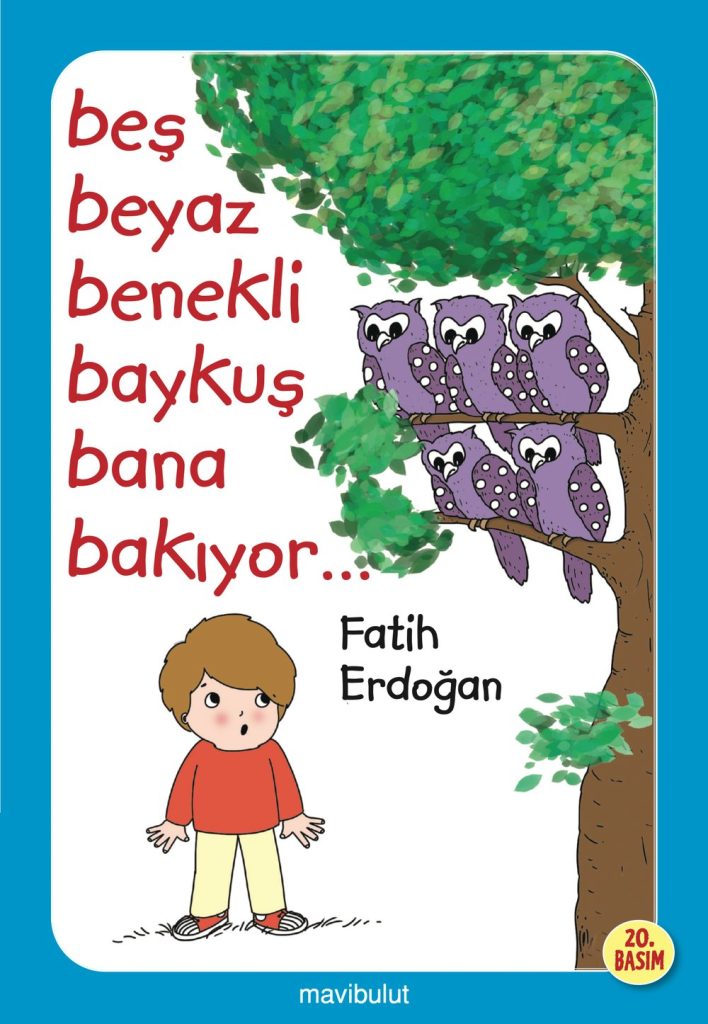
Five White Spotted Owls are Staring at Me! 1985
Five owls sit watching from a branch. What’s more, they have white spots! Five unusual strangers…
How do we approach strangers? How do we get to know them? The answer is simple: we ask questions and try to understand them. Friendship begins with getting to know one another—and that takes effort.
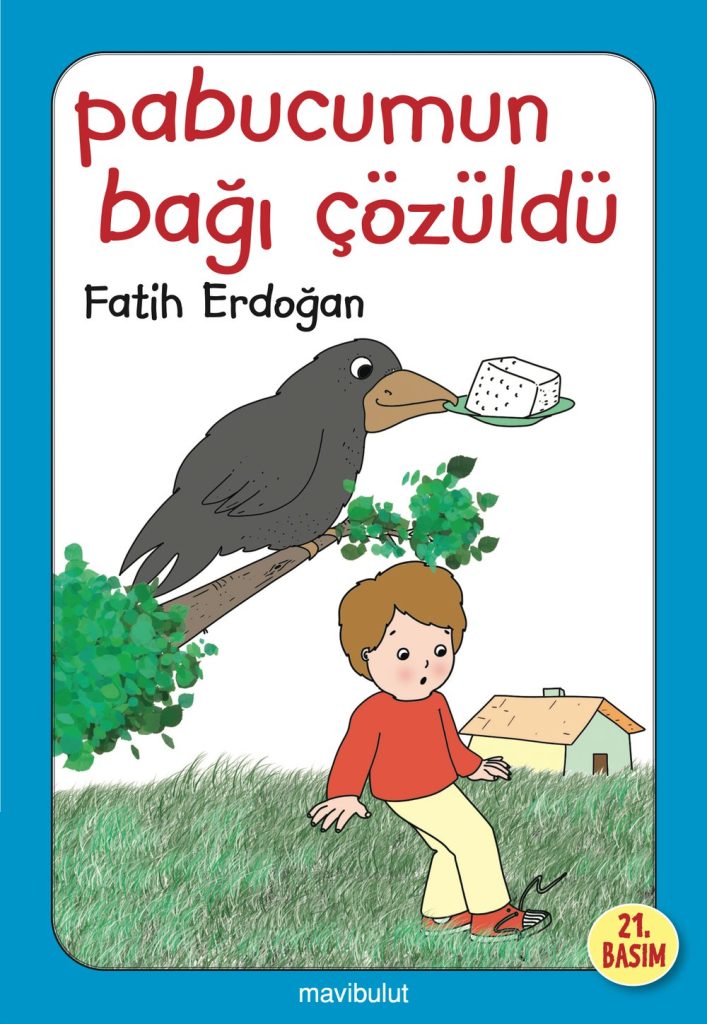
My Shoelace is Untied, 1985
These days there are shoes with hook-and-loop fasteners, but when I was little, we had to learn to tie our shoelaces.
Our young hero doesn’t know how to tie his. When his mother, father and older sister can’t help, he turns to the fox and the crow—and finds an answer through La Fontaine’s fable The Crow and the Fox.
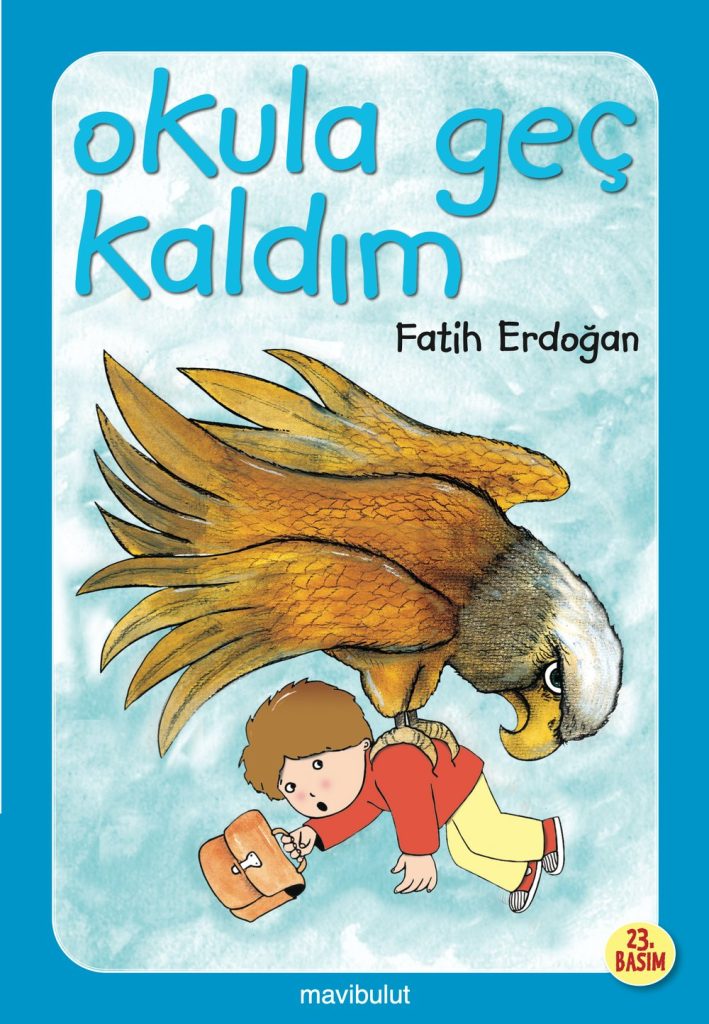
I am Late for School, 1985
An adventurous journey to school… with a tortoise, a rabbit and an eagle!
The journey with the eagle was inspired, of course, by Sinbad the Sailor. This is the most popular book in the series, and I also created a pop-up edition of it.
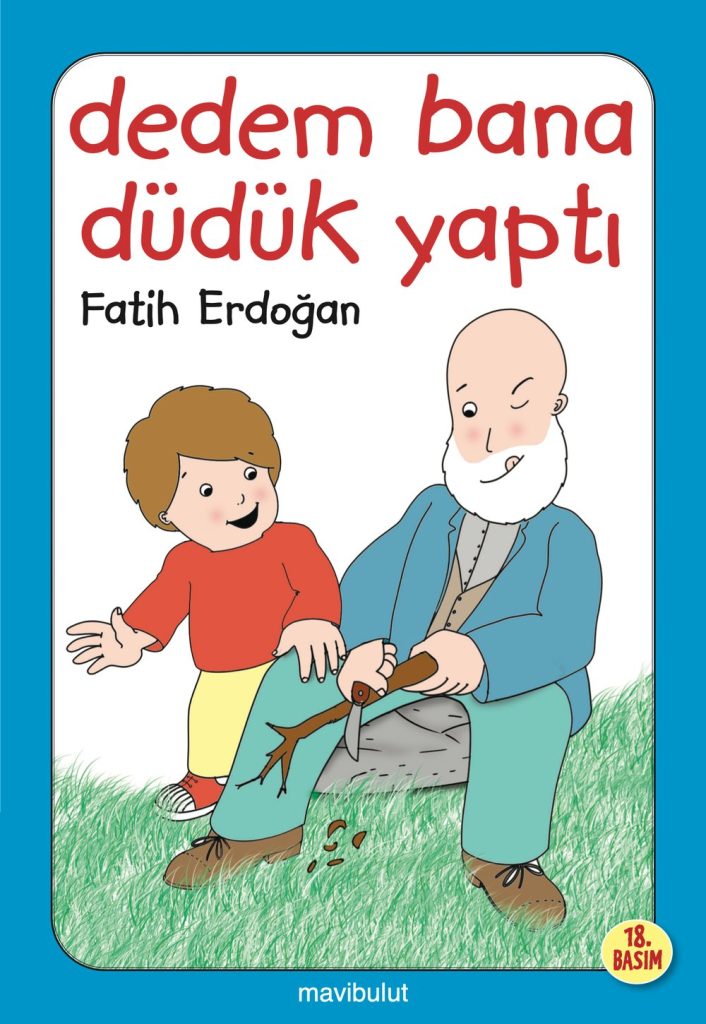
Grandpa Made Me a Whistle, 1986
My grandfather really did make me a whistle when I was little. I was amazed to see how, with a few skilful movements of his pocketknife, he could turn a piece of branch into something that made a sound.
My grandfather was a hunter who had spent his life in the mountains and countryside. Although he lived with us for only a short time, he left a deep impression on me. He is the most entertaining member of the family in this series.
I was Passing By, 1986
My grandfather again… And another memory from childhood. I remembered only one line of a rhyme, without knowing how it began or ended: “My grandfather fell into the chicken coop.”
In the story, our young hero tries to use a newly learned expression—“I was passing by, so I stopped in”—in all sorts of situations. Children do that all the time!
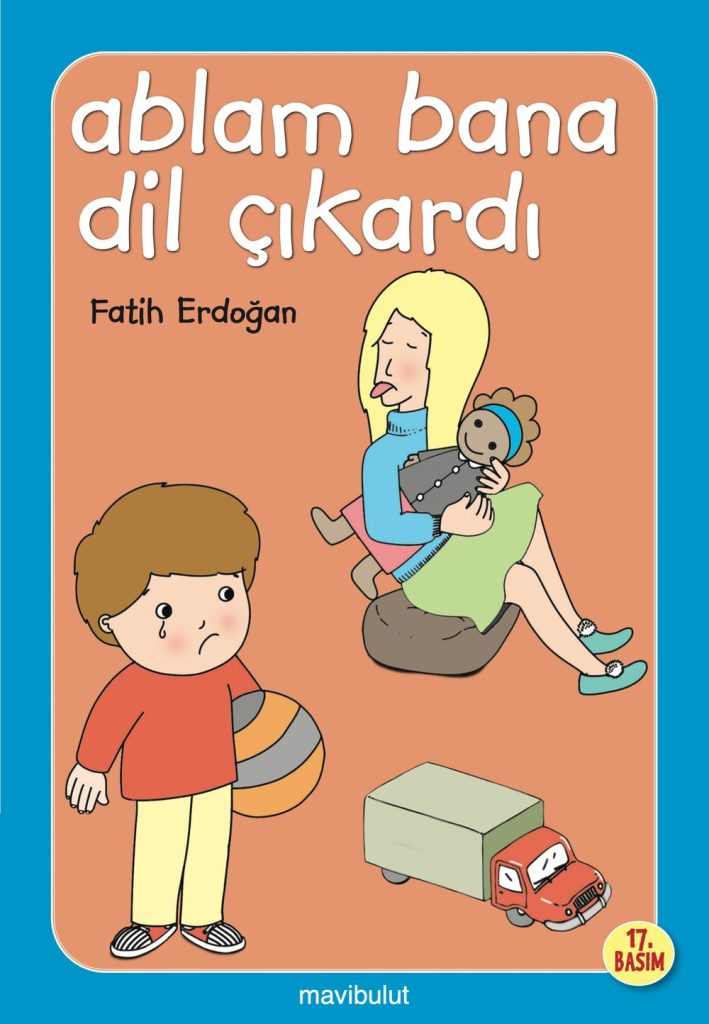
My Sister Stuck Her Tongue Out At Me, 1987
A story about putting love to the test.
If your older sister sticks her tongue out at you, does that mean she doesn’t love you? “No,” says the boy’s mother. “Your sister loves you. She would be very sad if you weren’t here.”
Our young hero decides to test that love by hiding inside a small bedside cupboard. I still have that cupboard at home. When I was little, I used to hide in it too and make my mother worry.
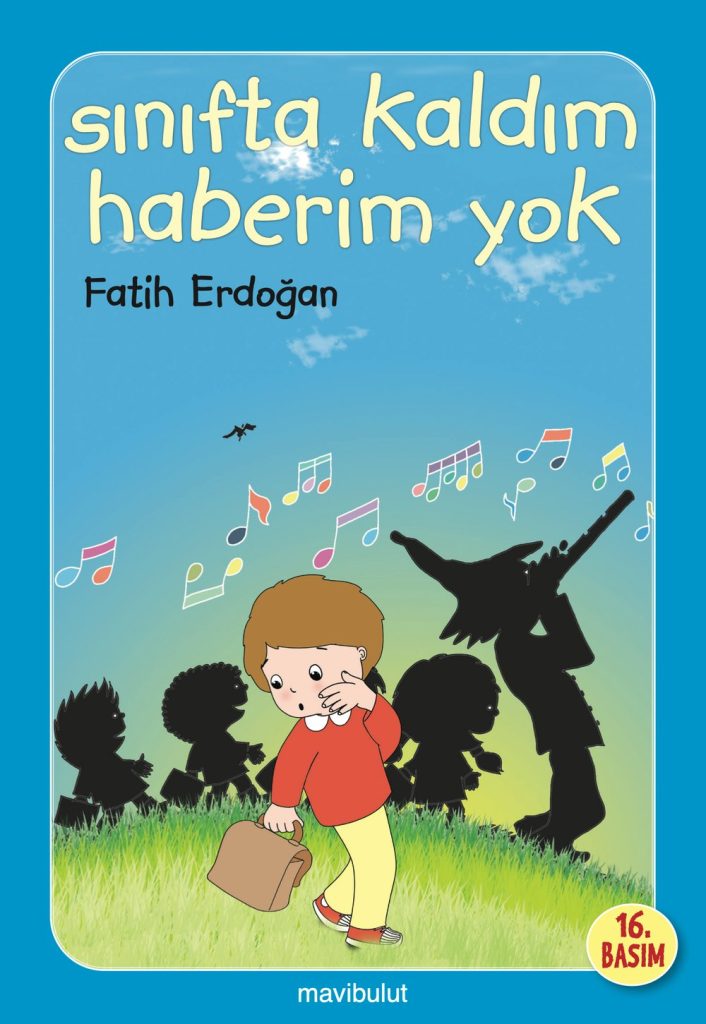
I Failed School, 1987
Many people my age will remember how, when we were children, someone carrying their schoolbag upside down might be teased: “Look at that! They must have failed their grade!”
We also had a little rhyme:
“Teacher, teacher, I’ve no pen, I failed my grade—when did that happen?”
When our young hero becomes convinced that he has failed his grade, the famous Pied Piper appears and tries to lead the children away to the land of those who have failed.
The Return of the Five White Spotted Owls, 1988
At the end of the first book, the owls had gone away. Then a mother called me and asked, “Did the owls die? My son is crying—please bring them back!”
So I wrote a story about their return. The owls come back because their spots have faded, and they need our young hero’s help…
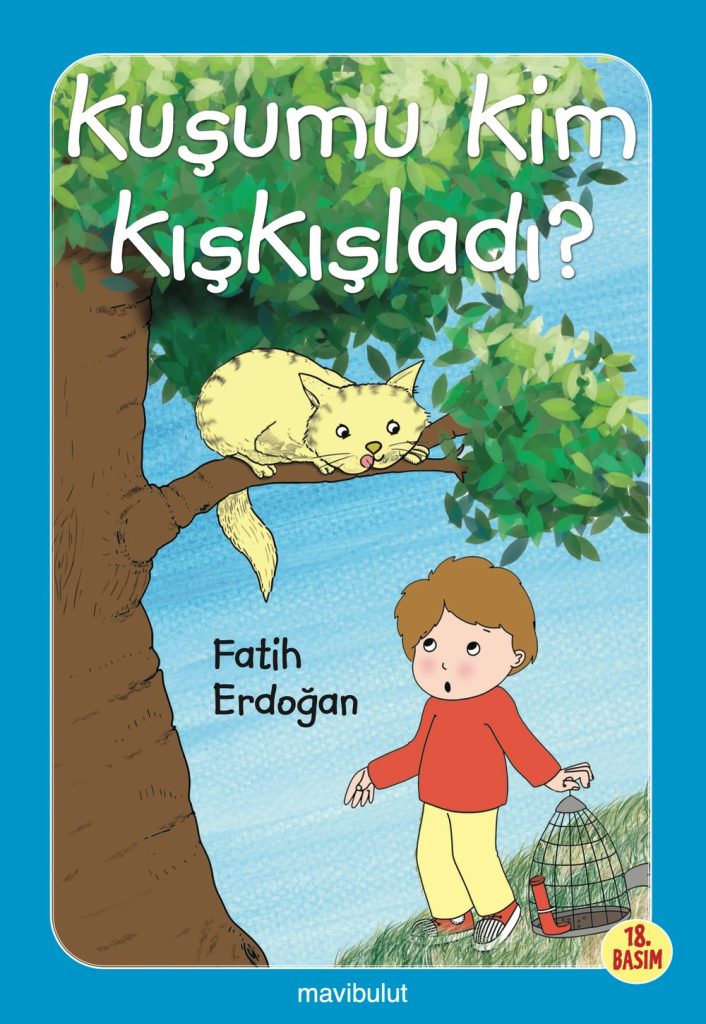
Who Shushed My Bird Away? 1988
The neighbourhood where I spent my childhood, Kanarya, was full of open fields and hills back then. Catching birds was common, especially siskins and goldfinches.
I never managed to catch one myself, but I did have a bird once and brought it home in a cage. During the night, a cat broke the cage open, and the bird escaped to the top of the wardrobe. I tried to catch it until morning. Then, at my father’s suggestion, I set it free.
It was my first and last bird…
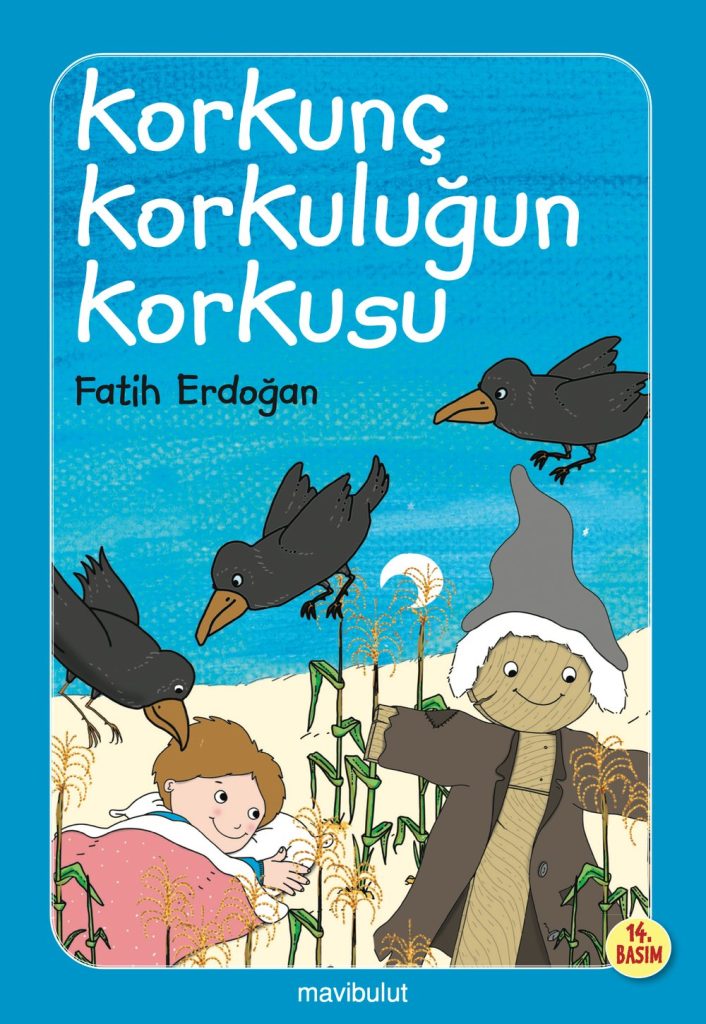
The Scare of the Scary Scarecrow, 1997
A scarecrow’s job is to frighten others, but a scarecrow can be frightened too, just like us.
The roles we play—at work, in society or in our families—can make us forget or suppress our human feelings. But those feelings are still there, and they can surface at any moment.
A story about conscience and empathy…
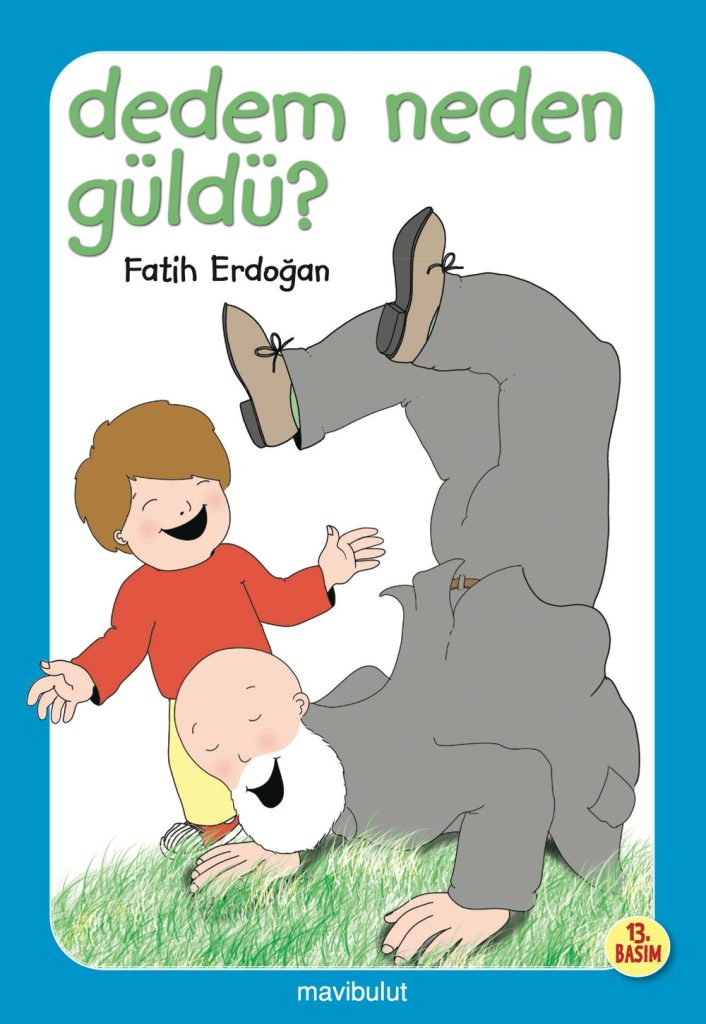
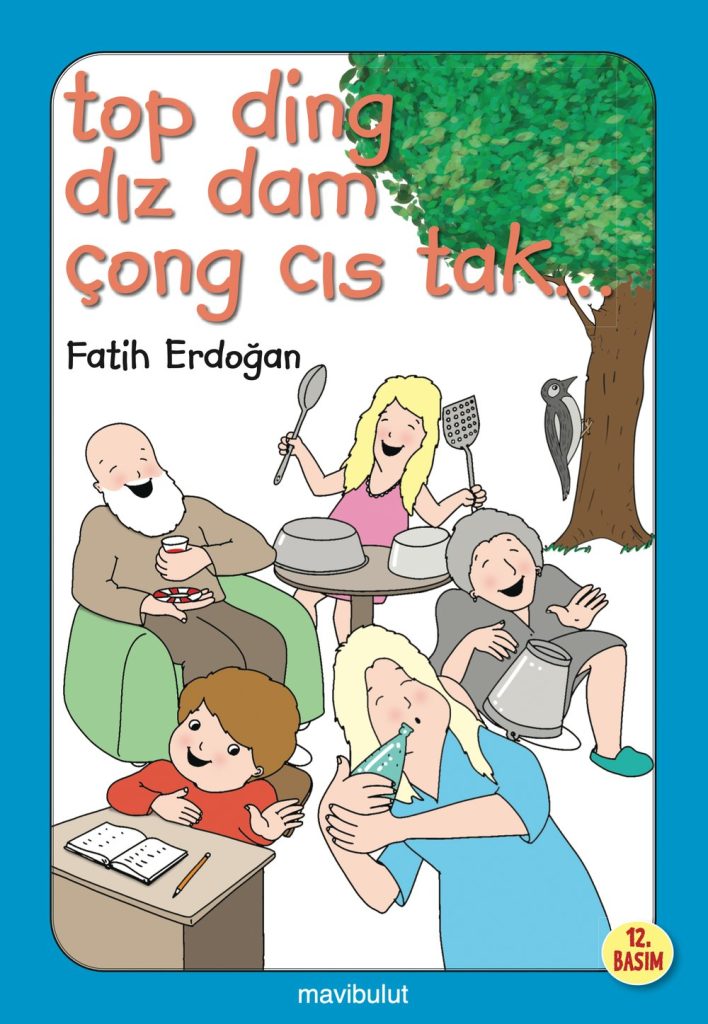
What Made Grandpa Laugh? 2003
This is the book based on the series’ well-known opening rhyme. We don’t discover why Grandpa is laughing until the very end, but as we turn the pages, we can’t help laughing along with him.
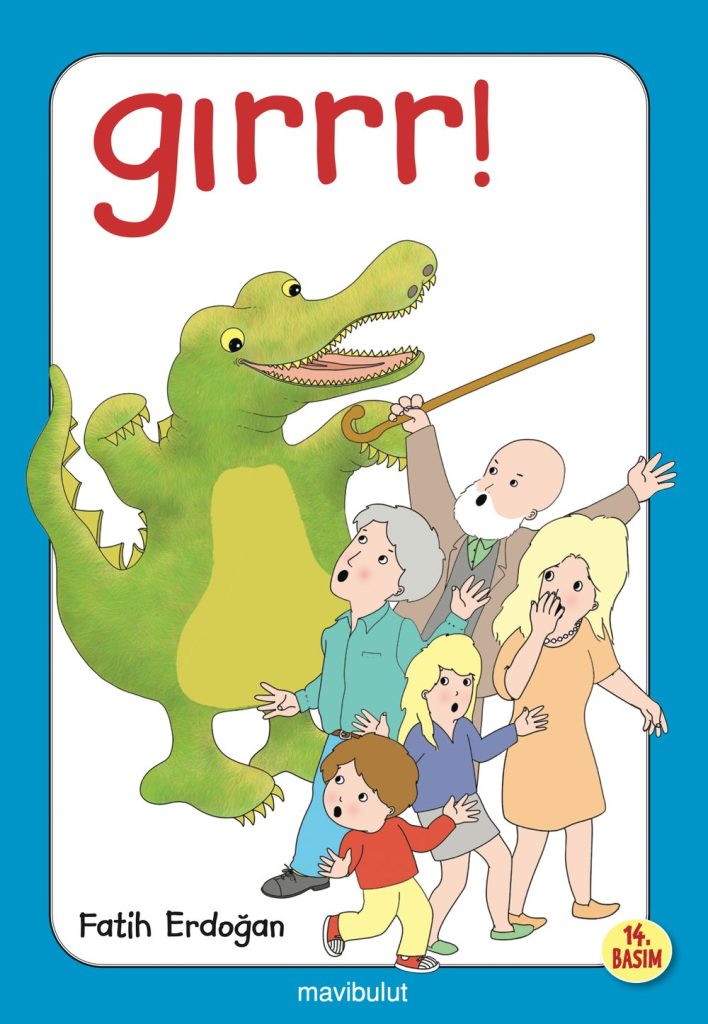
Groarrr! 2001
A monster comes to the house but is sad because he can’t manage to frighten anyone. While the whole family tries to comfort him, Mother discovers the problem: his teeth are so dirty that no one can see how sharp and pointy they are. So, of course, he doesn’t look frightening!
What’s the solution?
It was a Beautiful Morning, 2006
Every day we wake up, have breakfast, get dressed, go to school, attend lessons and come home… Day after day, we repeat the same things.
But what if we did something different one day? What if we broke the routine? What would change? What new experiences might we have? And how would our lives change as a result?
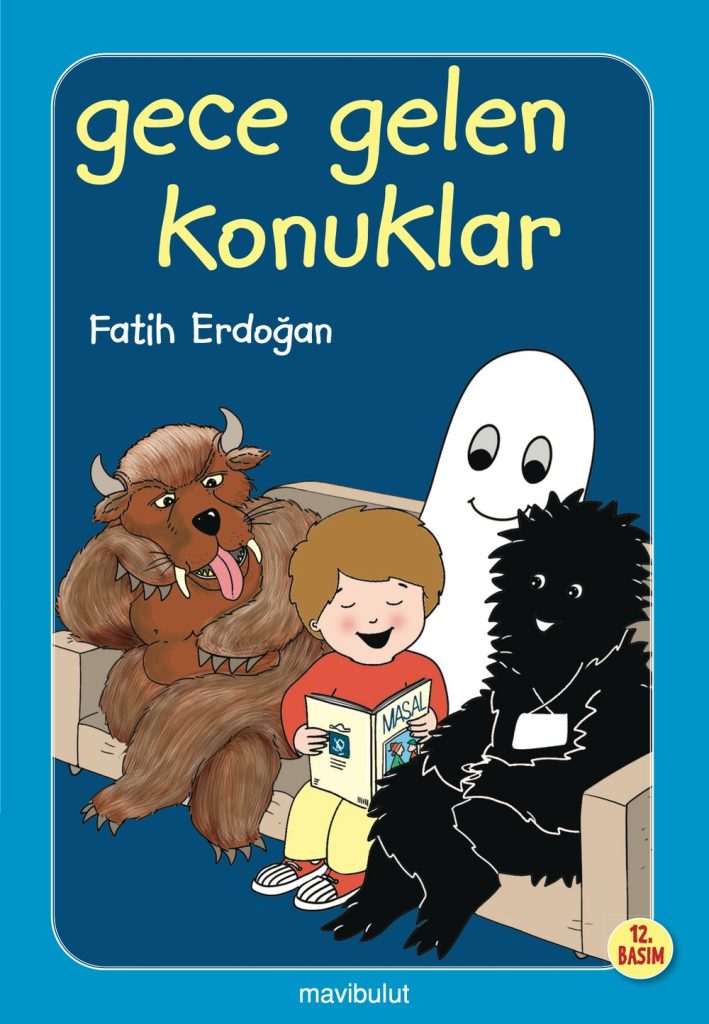
The Night Visitors, 2006
I was a fearful child. I was afraid of the dark, for example. I was afraid of people, too—and of my father.
Throughout my life, I have faced many things that required courage. It helped me a great deal to learn that we create many of our own fears, just as we create so many for our children: monsters, bogeymen and doctors with needles.
Dang Ding Dong… 2006
What can turn a boring Sunday into something different?
Perhaps everyone around us is bored, but they all need someone to take the first step. Could one small action change the mood? What if I started tapping my pencil on the table…
Why did Mom Gain Weight, 2005
A story about pregnancy and the arrival of a new sibling.
How do cats, birds and people reproduce? As the child tries to help each of them, he also learns to cope with a new situation in his own life.
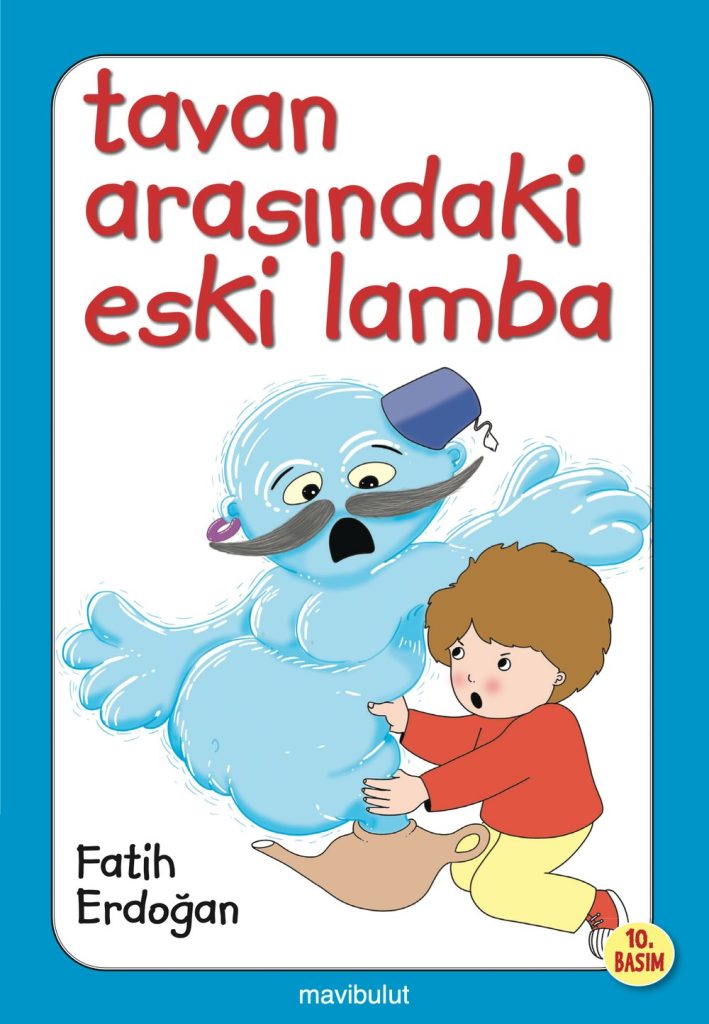
The Old Lamp in the Attic, 2005
An attic is a magical place. A child finds an old lamp there, and out comes a genie just like the ones in fairy tales.
We expect the genie to say, “Make a wish!” But this genie is different. This time, he has wishes of his own—or rather, a few orders for us!
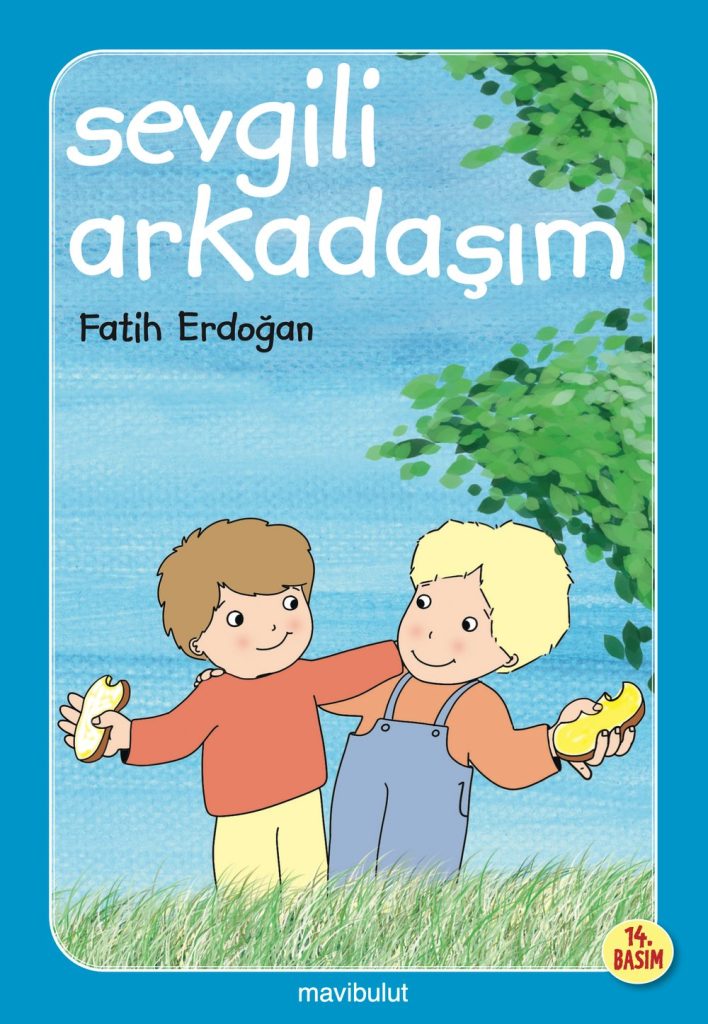
My Dear Friend, 2013
Do friends have to share the same tastes and opinions about everything?
This is the story of two friends who decide to go their separate ways: one likes salt on his buttered bread, while the other prefers jam…
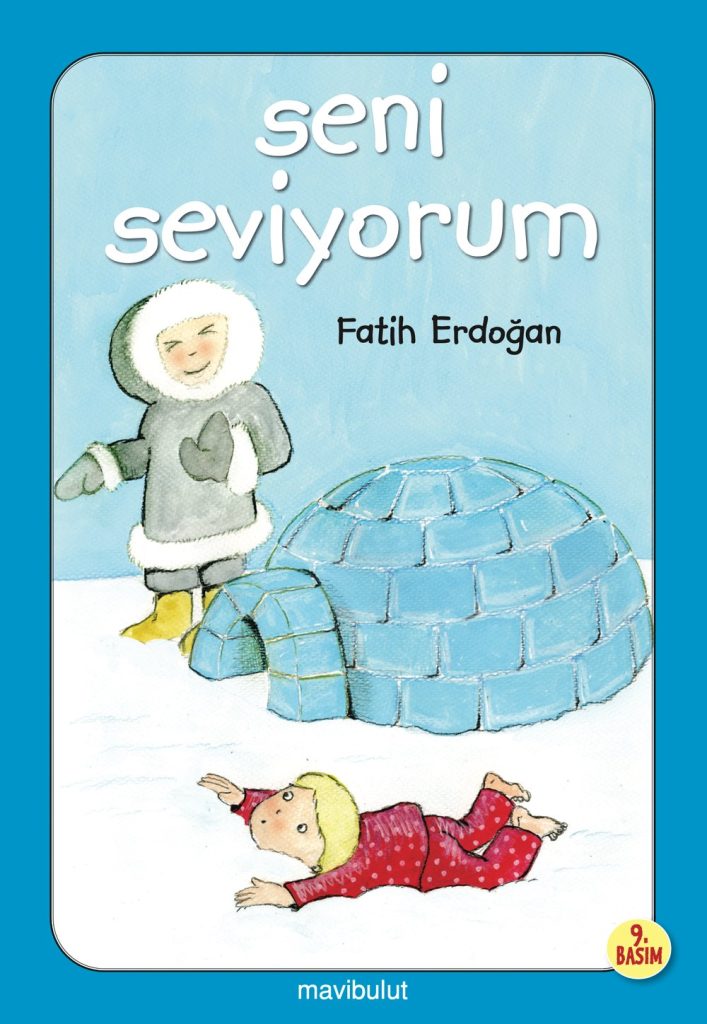
I Love You, 2013
Is love conditional? When we say we love someone, do we expect them to meet certain conditions? And if they don’t meet our expectations, does our love come to an end?
In this story, a child puts his mother’s love to a series of imaginary tests.